Advertisement
The electric vehicle charging industry is entering a phase where demand for cleaner transport meets the challenge of efficient energy use. Charging networks now face the task of serving millions of vehicles plugging in at unpredictable times while keeping the power grid stable and costs reasonable.
Artificial intelligence is becoming a key tool, helping operators make better sense of smart meter data, forecast usage, and respond to fluctuations with more precision. As the number of electric vehicles on the road keeps climbing, AI is proving indispensable for creating a smarter, more reliable, and sustainable charging network.
Smart meters collect large amounts of real-time information about energy use, yet much of it has been underused. Historically, operators have relied on fixed pricing and broad averages to plan charging schedules; however, this approach doesn't account for the unpredictable nature of electricity demand. AI now helps analyze smart meter data in far more detailed ways. Machine learning identifies patterns in when and how drivers charge, matches them with household or business energy profiles, and suggests the most efficient times for charging.
By analyzing minute-by-minute data streams, AI helps prevent overloading the grid during peak hours. For instance, algorithms can anticipate high-demand periods and adjust charging output slightly or shift sessions to quieter times. Drivers also benefit, as they can take advantage of lower rates during off-peak hours, guided by smarter apps. Over time, AI even learns seasonal behaviors — such as heavier winter evening demand or summer holiday travel — and adjusts its recommendations without requiring manual intervention.
This smarter use of data turns raw readings into actionable decisions. For utilities and charging operators, it becomes possible to avoid last-minute adjustments that can be costly and disruptive. For drivers, it means more predictable access to charging and lower energy bills when charging at the right time. These advantages ripple out into the wider grid, where demand becomes more balanced and generation more efficient.
Uncertainty has always been one of the hardest challenges for EV charging networks. Demand can spike unexpectedly in one area while dropping in another. AI changes this by combining smart meter data with external factors, such as weather forecasts, local events, and traffic trends, to anticipate when and where demand will rise.
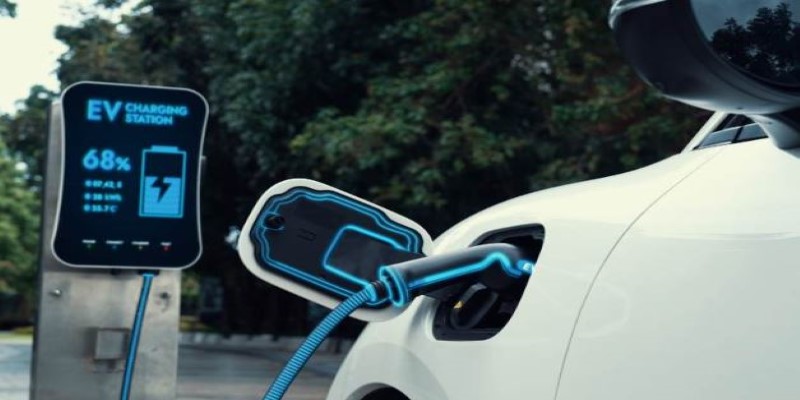
This predictive ability allows operators to plan more effectively. If AI forecasts a surge in a particular region during a long weekend, for example, they can prepare by bringing extra chargers online or adjusting speeds to serve more vehicles. At the grid level, these forecasts help utilities prepare their generation resources in advance, which reduces the risk of outages or the need to rely on expensive emergency power.
In areas with significant renewable energy capacity, AI becomes even more useful. Solar and wind generation can fluctuate by the hour, but by aligning EV charging with periods when clean energy is plentiful, AI helps maximize the use of renewable power. This reduces reliance on fossil fuels and improves the environmental footprint of electric transport.
AI’s ability to predict and manage demand also improves the reliability of the service. Fewer surprises for operators mean fewer service interruptions for drivers. For communities investing heavily in EV infrastructure, this kind of predictability is essential to building trust and encouraging adoption.
AI enhances the charging experience for drivers while streamlining operations. On the driver's side, smart apps powered by AI can recommend the best times to plug in, show real-time pricing based on current grid load, and even automate charging to start when rates are lowest. These tools make it easy for drivers to save money and ensure their vehicles are ready when needed.
For operators, AI reduces wasted energy and improves profitability. Smart meters send precise consumption data back to the network, and AI transforms that data into actionable insights, rather than letting it sit unused. Maintenance planning benefits as well. AI detects unusual patterns that might signal a fault before it becomes a serious issue, keeping chargers online and available when they're needed most.
Pricing strategies are another area where AI has an impact. With a better understanding of how drivers react to price changes and how the grid handles demand shifts, operators can adjust rates to keep networks financially sustainable without overburdening users. This flexibility allows charging services to remain affordable while still covering costs and investing in growth.
On a larger scale, these efficiencies help support a more resilient grid. By spreading demand more evenly and preventing peak-time overloads, AI contributes to a system that serves more vehicles with the same infrastructure.
As EV adoption grows, the line between transportation and energy infrastructure becomes less distinct. Utilities and charging operators are now working more closely together, and smart meter data, combined with AI, lies at the heart of this cooperation. Together, they treat EVs not just as another load, but as an active part of a flexible grid.
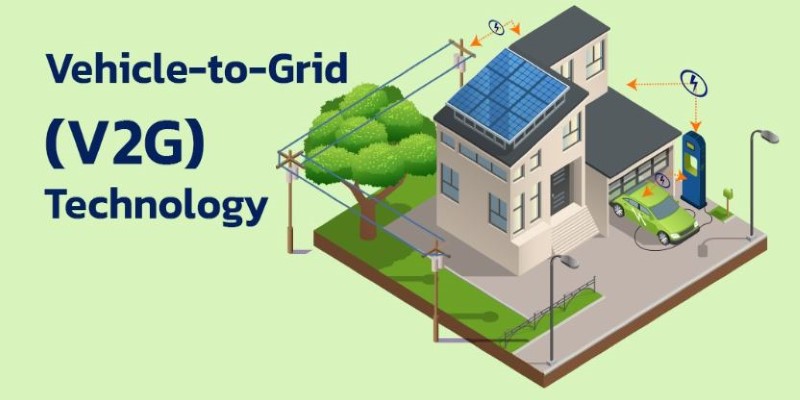
Vehicle-to-grid (V2G) technology, which allows parked EVs to send electricity back into the grid during high-demand periods, is one example. AI plays a central role in deciding when vehicles should discharge or charge, based on smart meter feedback and demand predictions. This helps stabilize the grid, reduces reliance on fossil fuel plants, and can even generate income for EV owners.
Neighborhoods and workplaces are beginning to use similar principles. AI-driven systems coordinate many vehicles charging at once, avoiding overloads and ensuring batteries are charged when drivers need them. At the level of a city or region, these systems help urban planners incorporate EV charging into broader energy and mobility strategies, strengthening the connection between transportation and sustainable energy.
AI is helping the EV charging industry use smart meter data more intelligently, making charging networks more reliable, affordable, and aligned with clean energy. By predicting demand, improving efficiency, and supporting grid stability, AI transforms how vehicles and energy systems work together. As electric vehicle adoption grows, these innovations ensure drivers and utilities can keep pace with changing needs while building a smarter, more sustainable future.
Advertisement
Discover how AI in the construction industry empowers smarter workflows through Industry 4.0 construction technology advances

Llama 3.2 brings local performance and vision support to your device. Faster responses, offline access, and image understanding—all without relying on the cloud

Discover 26 interesting ways to use ChatGPT in daily life—from learning new skills and writing better content to planning trips and improving productivity. This guide shows how this AI tool helps simplify tasks, boost creativity, and make your workday easier

How vision language models transform AI with better accuracy, faster processing, and stronger real-world understanding. Learn why these models matter today

Learn the top eight impacts of global privacy laws on small businesses and what they mean for your data security in 2025.

What happens when robots can feel with their fingertips? Explore how tactile sensors are giving machines a sense of touch—and why it’s changing everything from factories to healthcare
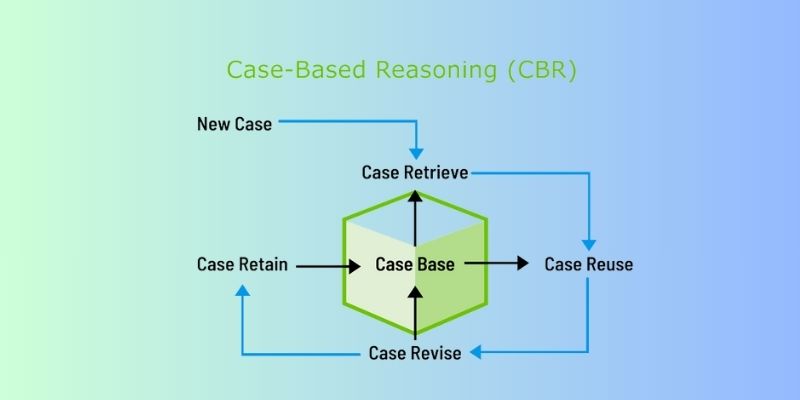
Discover how Case-Based Reasoning (CBR) helps AI systems solve problems by learning from past cases. A beginner-friendly guide

Understand how GPT's decoder-only transformer works, its advantages, challenges, and why it is transforming the future of AI

How Apache Sqoop simplifies large-scale data transfer between relational databases and Hadoop. This comprehensive guide explains its features, workflow, use cases, and limitations
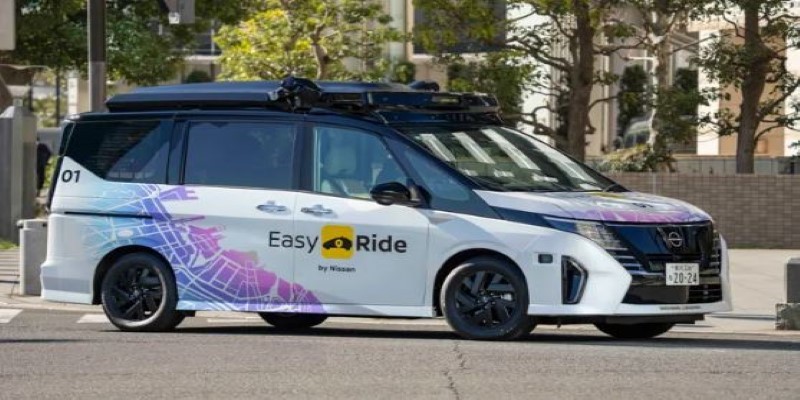
What happens when an automaker lets driverless cars loose on public roads? Nissan is testing that out in Japan with its latest AI-powered autonomous driving system

Is the UK ready for AI’s energy demands? With rising power use, outdated cooling, and grid strain, the pressure on data centers is mounting—and sustainability may be the first casualty

How to Integrate AI in a Physical Environment through a clear, step-by-step process. This guide explains how to connect data, sensors, and software to create intelligent spaces that adapt, learn, and improve over time