Advertisement
Artificial intelligence isn’t a futuristic fantasy anymore; it’s quietly become a part of how people think, work, and create. Among the many AI tools available, ChatGPT stands out for its versatility. Whether you’re a student, business owner, writer, or just someone curious about technology, ChatGPT can simplify your day in ways you might not expect. Think of it as an all-round helper that listens, explains, drafts, and even brainstorms with you. The real magic lies in learning how to use it well—and the possibilities are much broader than people realize.
ChatGPT can help you craft articles, essays, letters, and even scripts in minutes. It structures ideas neatly, improves flow, and cuts unnecessary words without losing meaning. Writers often use it to overcome creative blocks or refine tone and clarity.

You can use ChatGPT to understand complex subjects—from coding and economics to art history or nutrition. It breaks topics down into clear explanations, suggests learning resources, and even builds step-by-step study plans.
If you’ve ever struggled to think of a good business concept, ChatGPT can act as a brainstorming partner. It helps identify market gaps, create names, write short pitches, and evaluate potential products or services.
Job seekers often overlook small details that make a difference. ChatGPT reviews your resume wording, formats it cleanly, and ensures your cover letter sounds personal yet professional.
Marketing teams use ChatGPT to write blog posts, email campaigns, ad copies, and taglines that sound natural and persuasive. It can even adapt tone—friendly, formal, or witty—based on the target audience.
ChatGPT quickly summarizes information, explains sources, and helps you organize notes. Students and researchers often use it to get a clear overview before diving deeper into academic materials.
Learning another language becomes easier when you can chat naturally. ChatGPT can translate, correct grammar, explain idioms, and even simulate conversations to strengthen your confidence.
You can describe your destination and interests, and ChatGPT will design an itinerary with routes, local highlights, and suggestions for things to do, tailored to your preferences.
It can help you write captions, create engaging hashtags, or schedule post ideas. The tone can range from fun and casual to sleek and informative, depending on your page’s audience.
Developers often rely on ChatGPT to write snippets of code, explain programming logic, or spot potential errors. It doesn’t just fix code—it teaches why the problem occurred.
If your inbox is full, ChatGPT can summarize, rewrite, or draft replies that sound clear and polite. It’s great for professionals who want to save time on routine communication.
Instead of reading lengthy reports or articles, you can paste text and ask for a quick summary or breakdown of the key points. It’s a simple way to understand content without losing accuracy.
From fantasy plots to realistic fiction, ChatGPT can help shape characters, dialogue, and plot twists. Many writers use it as a co-creator to polish drafts or generate new ideas.
ChatGPT can explain lessons in math, science, or literature in plain terms. It can rephrase textbook definitions, give real-world examples, and quiz students for better understanding.
You can share your fitness goals, available time, and preferences, and ChatGPT will outline workout routines—complete with rest days, intensity tips, and motivation reminders.
ChatGPT helps people explore industries, compare job roles, and identify skill gaps. It provides insights into potential paths without sounding generic or robotic.
While not a financial advisor, ChatGPT can teach basic budgeting principles, explain investment terms, and help you create spending trackers or saving goals.
You can simulate interview questions, receive model answers, and learn how to present yourself effectively. ChatGPT even points out weak answers and suggests stronger phrasing.
For e-commerce sellers, it’s useful for writing clear, appealing product summaries that emphasize benefits, materials, and uses without sounding repetitive.
Teachers use ChatGPT to design lessons, quizzes, and assignments. It can suggest class activities or rewrite material for different grade levels to make learning more engaging.

Whether for weddings, presentations, or events, ChatGPT helps outline structure, choose emotional tone, and polish delivery. It’s like having a personal speech coach.
While it’s not a therapist, ChatGPT can provide grounding exercises, journaling prompts, or positive affirmations to help manage stress and emotions in healthy ways.
Businesses integrate ChatGPT to automate basic responses and offer quick help to clients. It improves response times and creates a smoother communication experience.
Students can upload topics, and ChatGPT will convert them into summarized notes or flashcards. It’s a smart way to prepare for exams without wasting time sorting through dense material.
If you share ingredients you already have, ChatGPT can recommend recipes, substitutions, and cooking steps. It’s especially useful when you want to try something new without going shopping.
Whether you want to write poems, design puzzles, or learn photography tips, ChatGPT can give ideas, practice exercises, and feedback to help you grow creatively.
ChatGPT isn’t a tool to replace thinking; it’s a tool that helps you think more clearly. Whether you’re writing a novel, preparing for an exam, planning a project, or learning something new, it acts as a helpful partner in every phase. The real value comes from how you use it—not just what it can do. With imagination and consistent use, ChatGPT can reshape the way you learn, create, and communicate. Its possibilities are as broad as your curiosity, and that’s what makes it truly interesting.
Advertisement

How Amazon is using AI to fight fraud across its marketplace. Learn how AI-driven systems detect fake sellers, suspicious transactions, and refund scams to enhance Amazon fraud prevention
How Hugging Face Accelerate works with FSDP and DeepSpeed to streamline large-scale model training. Learn the differences, strengths, and real-world use cases of each backend

How using Hugging Face + PyCharm together simplifies model training, dataset handling, and debugging in machine learning projects with transformers

Explore how generative AI transforms content, design, healthcare, and code development with practical tools and use cases
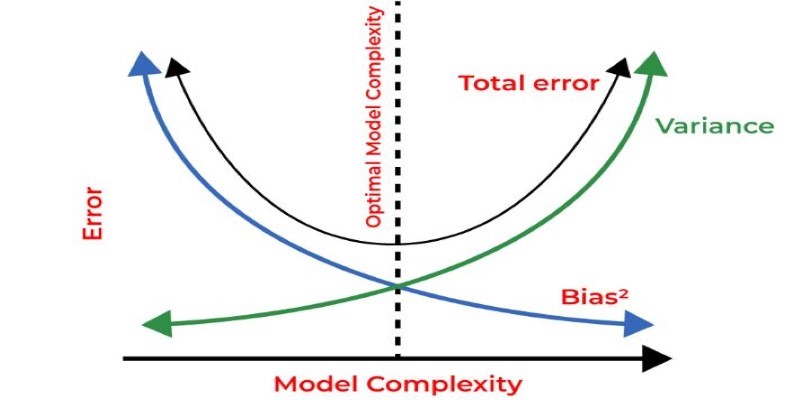
How regularization in machine learning helps prevent overfitting and improves model generalization. Explore techniques like L1, L2, and Elastic Net explained in clear, simple terms

Learn everything about Stable Diffusion, a leading AI model for text-to-image generation. Understand how it works, what it can do, and how people are using it today

How MobileNetV2, a lightweight convolutional neural network, is re-shaping mobile AI. Learn its features, architecture, and applications in edge com-puting and mobile vision tasks

Learn key differences between RPA and BPM to enhance workflow automation strategy and boost enterprise process efficiency

How AI is shaping the 2025 Masters Tournament with IBM’s enhanced features and how Meta’s Llama 4 models are redefining open-source innovation

What a Director of Machine Learning Insights does, how they shape decisions, and why this role is critical for any business using a machine learning strategy at scale

Why is Alibaba focusing on generative AI over quantum computing? From real-world applications to faster returns, here are eight reasons shaping their strategy today

How the ORDER BY clause in SQL helps organize query results by sorting data using columns, expressions, and aliases. Improve your SQL sorting techniques with this practical guide