Advertisement
The daily transformation of our lives and businesses is brought about by technology. Here is a significant change: multimodal Generative AI (GenAI). Unlike traditional artificial intelligence, this modern version processes several kinds of data. Together, it can interpret audio, images, video, and text. That is a significant advancement. It already affects sectors including manufacturing, healthcare, and retail.
It enables quicker decisions and more intelligent tools. Additionally, it promotes human creativity in thrilling ways. Many companies are now paying attention. Can it change how we work? Can it reduce costs and save time? Or is it hype? This article examines the distinctive characteristics of multimodal GenAI and its practical applications. Let’s see if it’s a significant upcoming development.
Multimodal GenAI systems are intelligent and capable of understanding multiple types of data. It combines sound, images, text, and video. Older AI systems could only handle one type of input at a time. A chatbot reads text. One imaging program dealt with photos. Multimodal artificial intelligence, however, accomplishes everything simultaneously. Show it a picture, and questions are possible. Alternatively, add a video and request a summary. It links many kinds; therefore, it feels more natural.
It enables the system to exhibit deep and flexible thinking abilities. It utilizes models such as GPT-4 or Gemini. These tools combine language, images, and sound in a gentle manner. That makes them wise and practical. They are better at context and produce better outcomes. Speaking, typing, or showing a picture are all options available to you. It all functions. Multimodal GenAI is quick and smart. It moves artificial intelligence one step closer to thinking like us. And that quickness transforms all about us.

Multimodal GenAI features enhance accuracy, inventiveness, and real-time communication.

Customers are the focus of retail. Stores can better understand their customers using multimodal GenAI. It monitors your browsing history, review reading, and listener comments. It does all this simultaneously. That translates to a better shopping trip and more intelligent suggestions. One can take a photograph of a dress and ask, ‘Do you own this?’ The artificial intelligence might display comparable styles, check stock, or provide advice. It gives purchasing a personal and enjoyable vibe.
Online stores also incorporate it into their chat. The bot is capable of speech, sight, and human-like thinking. The bot responds to inquiries with either photographs or voice responses. Video feeds and sound can also help stores find issues. That supports service and safety. AI in the retail industry quickly gathers information, supports sales, and identifies shopping trends. For both customers and merchants, this technology improves buying habits. Shopping is like chatting with a real friend in the future. That is the force of GenAI in retail.
Artists and designers currently have a powerful artificial intelligence helper. Multimodal GenAI benefits designers, authors, and editors simultaneously. It produces a storyboard from a script. Upload a photo, and it creates a video script. Your voice can be recorded and turned into a short video reel. It’s as though one tool has a whole creative team. Businesses use it to create catchy ads quickly. It produces video, music, text, and pictures all in one. Saves funds and time.
Creators can overcome obstacles and complete tasks much more efficiently. News outlets also employ it. They have subtitles, write-ups, and quick video summaries. It also operates in several languages. That makes it easy to connect with readers everywhere. GenAI makes content enjoyable and simple. You make a suggestion; the rest builds from there. Marketers, writers, and media teams can greatly benefit from this. These days, creativity is quicker, more intelligent, and more thrilling.
Although strong, multimodal GenAI also has shortcomings. First and foremost, accuracy counts. An error in law or healthcare could injure someone. That is quite risky. There is cause for concern with bias. Results may also be unfair if the training data is biased. Privacy is a big concern. GenAI detects faces, listens for voices, and reads messages. To safeguard that information, we need robust policies. Fourth, positions could change.
Some jobs may shrink, while others will grow. People must acquire new skills to stay competitive. Not all businesses can yet afford to do so. Smaller companies may be left behind. That’s unjust. Tech should be for everyone. The benefits must be balanced against these actual problems. Priority should be safety, justice, and accessibility. GenAI will develop securely if we manage risks effectively. However, trust could be lost if we disregard them. Intelligent use, not only smart tools, will determine the future.
Multimodal GenAI represents a change in corporate functioning rather than just a technological fad. From retail to media, it is creating tools more quickly, more smartly, and more creatively. While the benefits are significant, we still face challenges, including privacy concerns, bias, and affordability issues. Proper application of this artificial intelligence can fundamentally alter our production and employment practices. Both small and large organizations need to plan, change, and create. Those willing to embrace smart tools will shape the future. Multimodal GenAI is already here, and it is changing everything it encounters; it is not only on the rise.
Advertisement

Thinking about upgrading to ChatGPT Plus? Here's an in-depth look at what the subscription offers, how it compares to the free version, and whether it's worth paying for

Why is Alibaba focusing on generative AI over quantum computing? From real-world applications to faster returns, here are eight reasons shaping their strategy today

How Amazon is using AI to fight fraud across its marketplace. Learn how AI-driven systems detect fake sellers, suspicious transactions, and refund scams to enhance Amazon fraud prevention
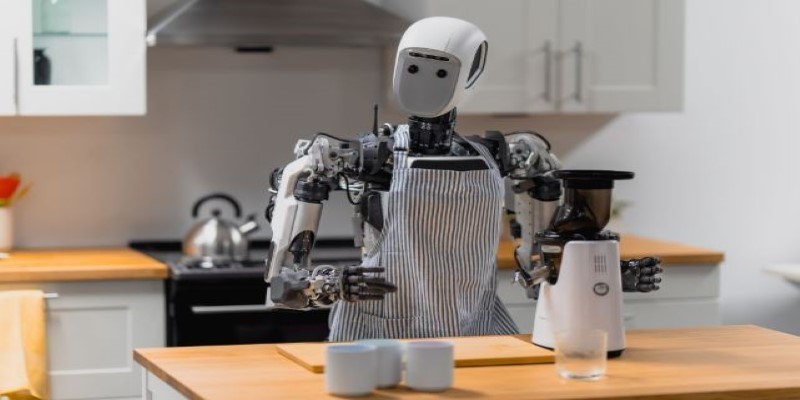
A company developing AI-powered humanoid robots has raised $350 million to scale production and refine its technology, marking a major step forward in humanoid robotics

SmolVLM2 brings efficient video understanding to every device by combining lightweight architecture with strong multimodal capabilities. Discover how this compact model runs real-time video tasks on mobile and edge systems

Looking for faster, more reliable builds? Accelerate 1.0.0 uses caching to cut compile times and keep outputs consistent across environments

Know how to reduce algorithmic bias in AI systems through ethical design, fair data, transparency, accountability, and more

Looking for a reliable and efficient writing assistant? Junia AI: One of the Best AI Writing Tool helps you create long-form content with clear structure and natural flow. Ideal for writers, bloggers, and content creators
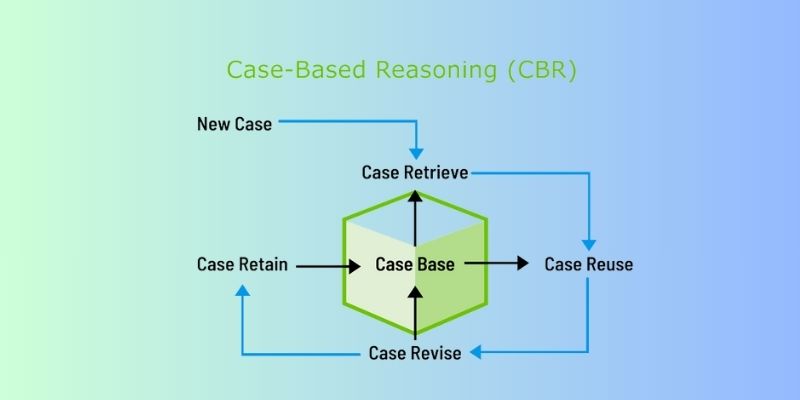
Discover how Case-Based Reasoning (CBR) helps AI systems solve problems by learning from past cases. A beginner-friendly guide

Explore the top 11 generative AI startups making waves in 2025. From language models and code assistants to 3D tools and brand-safe content, these companies are changing how we create
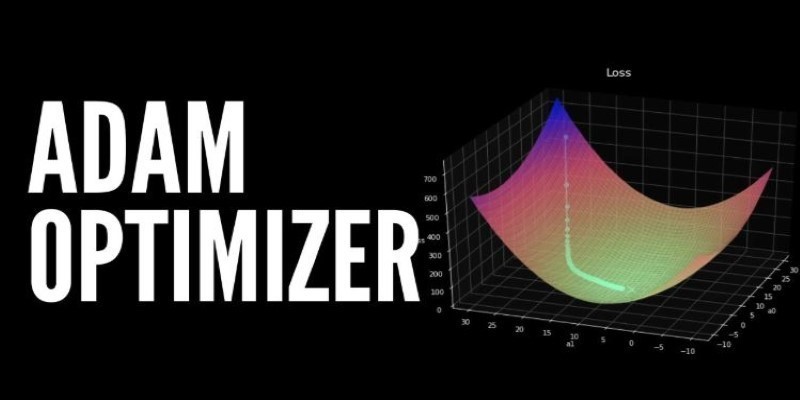
How the Adam optimizer works and how to fine-tune its parameters in PyTorch for more stable and efficient training across deep learning models
How Hugging Face Accelerate works with FSDP and DeepSpeed to streamline large-scale model training. Learn the differences, strengths, and real-world use cases of each backend